
Over the past decade, BIM and information modeling have moved from documentation tools to core parts of the design process. Today, models are built from the very start of a project — used to explore options, coordinate disciplines, and run quantity take-offs well before construction begins.
This shift has a practical consequence: when the model takes shape early, so do the product and system choices embedded in it. Selections made at this stage aren’t always final, but they set the direction. The further a project progresses, the harder it becomes to change course.
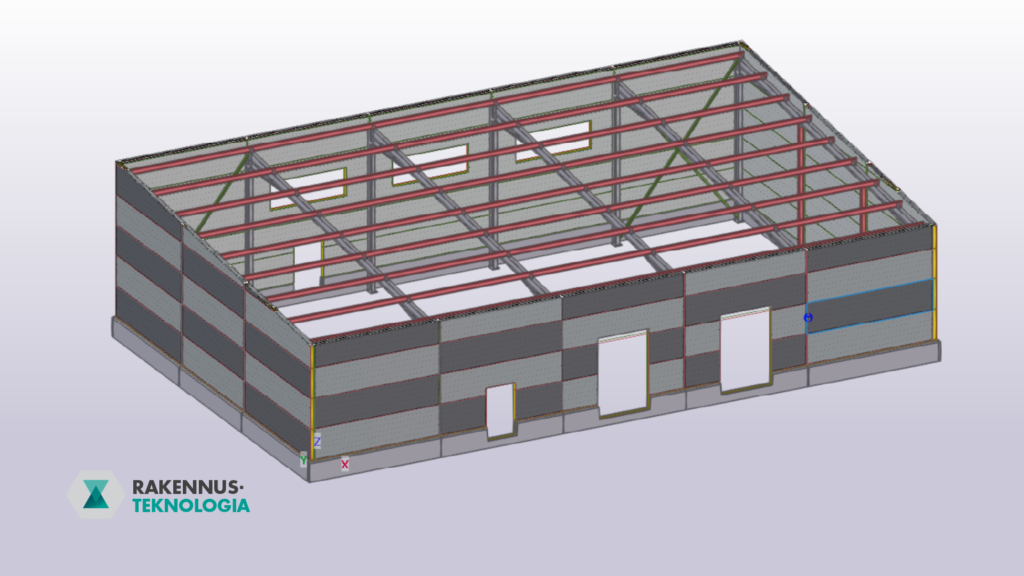
Where Designers Go to Find Solutions
BIM workflows depend on having the right content at hand. In Tekla Structures, that content lives in Tekla Warehouse — a platform where designers can browse and download components, profiles, material libraries, and plugins directly into their projects.
Tekla Warehouse reaches half a million Tekla Structures users globally.
With thousands of content packages from manufacturers and suppliers, it functions as a working ecosystem rather than a catalogue — a place where solutions get discovered and put to use as a natural part of the design workflow.
For manufacturers, this is less about marketing and more about presence: being available where design decisions actually happen.
How Products Get Locked In
Once a component is placed in a model, it travels. It appears in drawings, bills of materials, and project data. The solution is no longer just an option — it’s woven into the work. Replacing it is still possible, but it costs time and effort.
This is why many choices solidify well before detailed design. The products in the model aren’t necessarily final, but they anchor the technical approach and narrow what gets considered going forward
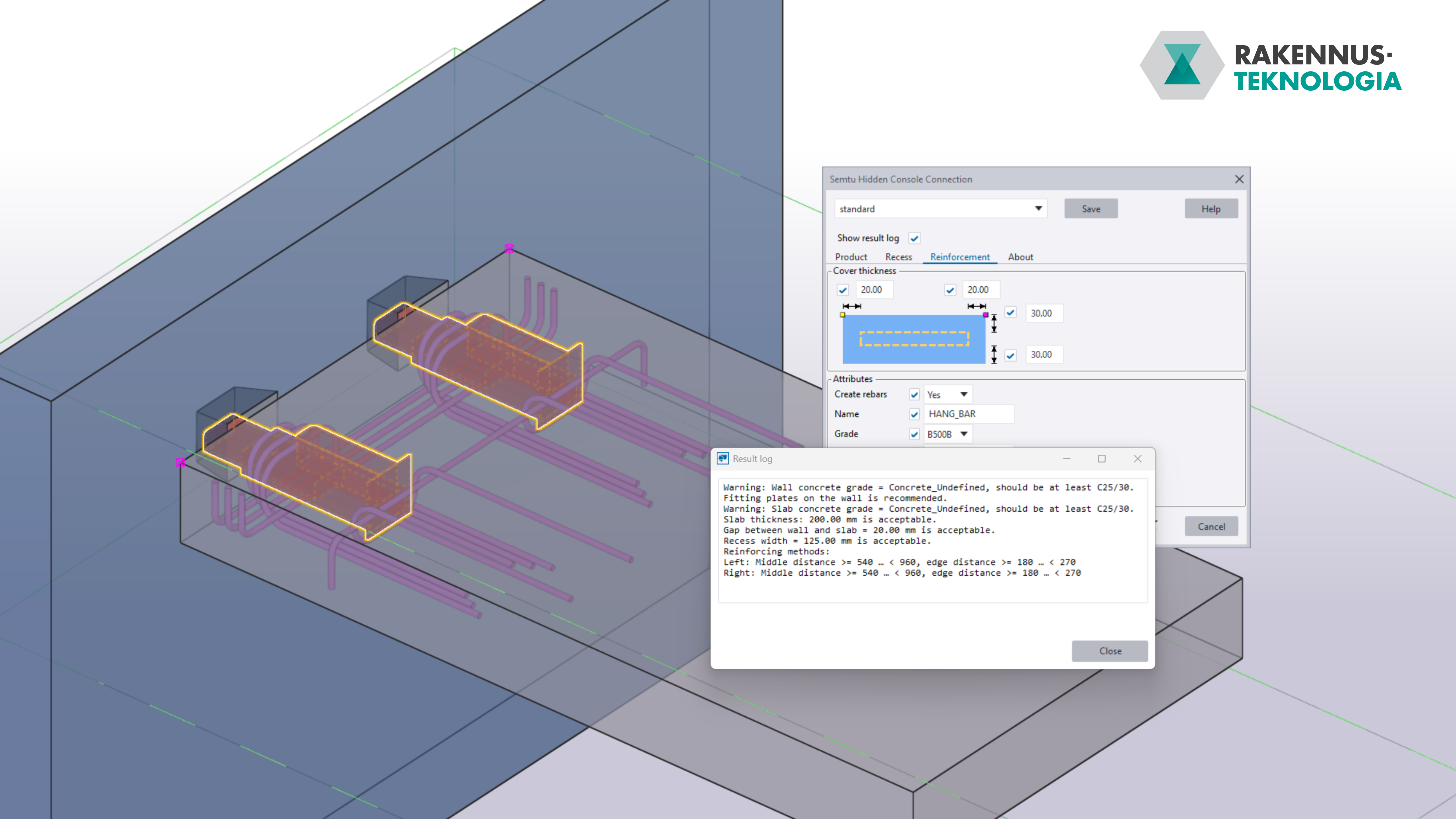
The Semtu plugin for Lepo resting brackets is a good example of this dynamic. It lets designers model the full Lepo connection — automatically selecting the correct supplementary reinforcement based on bracket spacing and edge distance, in line with Lepo's installation guidelines.
Good Tools Get Used Again
In design work, anything that saves time and reduces errors has real value.
When a tool genuinely fits into a designer’s workflow, it becomes a default — pulled out on the next project without much deliberation because it’s familiar and it works.
That repeated use doesn’t come from marketing. It comes from a good experience. And with it comes repeated selection of the product and manufacturer behind the tool.
Product data embedded in the model also carries that manufacturer information forward — into drawings, specifications, and quantity calculations — throughout the entire project lifecycle.
Presence at the Point of Decision
Digital product libraries and BIM tools matter because they put solutions in front of designers in their everyday work environment. The technical quality of a product still matters, of course. But whether it ends up in projects increasingly depends on whether it’s findable and usable at the right moment.
Construction industry decision-making hasn’t changed overnight. It has quietly shifted — into the modeling tool, into the daily workflow, into the moment when options are first being explored
Want your products to be part of that moment?
We build BIM tools and Tekla Structures solutions that make life easier for designers — and make your products a natural choice in projects. See how we've done it.